


Dehydrated Skin: How to Spot It and Restore Hydration
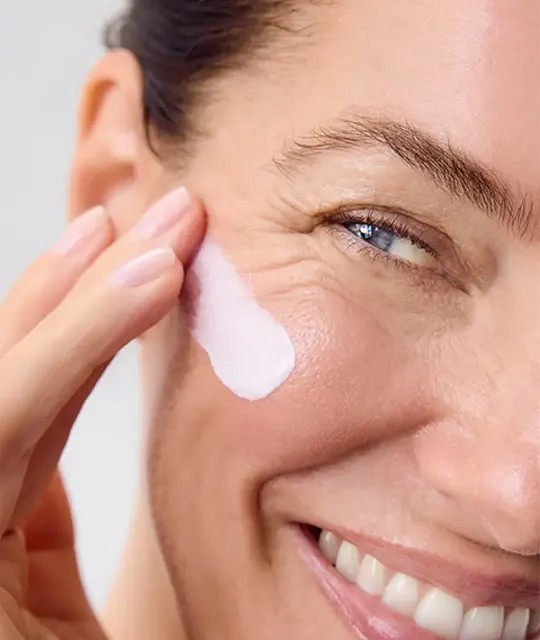
A feeling of tightness, less softness, roughness, surface lines that read more clearly than they should: these are the ways Dehydrated skin makes itself known. Dry skin is not the only type it touches. Combination or oily skin can carry a low level of hydration in the stratum corneum too.
Getting the issue right starts with one distinction: sebum and water are not the same thing. Two jobs belong to Effective skincare here. Helping skin hold on to good hydration comes first, and respect the skin barrier comes alongside it, the structure that limits water loss towards the surrounding environment.
Tightness, less softness, roughness, surface lines that read more clearly than they should: Dehydrated skin presents itself in these ways. Dry skin is not the only type it touches. Combination or oily skin can also carry a low level of hydration in the stratum corneum.
Handling the issue properly begins with one distinction: sebum and water are not the same thing. Two jobs belong to Effective skincare here. Helping skin hold on to good hydration comes first, and respect the skin barrier comes alongside it, the structure that limits water loss towards the surrounding environment.
What is dehydrated skin
In cosmetology, dehydrated skin usually points to skin whose stratum corneum, the outermost part of the epidermis, holds an insufficient level of water.
An inert surface is not what the stratum corneum is. Hygroscopic substances sit inside its corneocytes, gathered in the Natural Moisturising Factor, while organised lipids occupy the spaces between cells and take part in barrier function.
Each of these contributes to maintaining skin hydration. Thinking of dehydrated skin as a surface that simply lacks water, then, falls short.
Skin barrier and transepidermal water loss
A certain amount of water leaves the skin naturally through the stratum corneum, transepidermal water loss, or TEWL, is the name for this process.
Studying skin barrier function often relies on TEWL, yet the amount of water present in the stratum corneum does not correspond directly to it. Related as they are, hydration and barrier function remain distinct parameters.
Both aspects belong on the radar of Balanced skincare: good surface hydration supported, and conditions that could compromise the barrier limited.
How to recognise dehydrated skin
Skin that feels tight, above all after cleansing, ranks among the most common signs. The surface may look less soft, rougher, at times slightly flaky.
Some fine surface lines can also grow more noticeable. Softer, more even skin comes from good hydration of the stratum corneum.
None of these signs, though, belongs only to dehydration. Persistent burning, itching, marked redness, cracking or significant flaking can also point to dermatological conditions that call for a professional assessment.
Are dehydration lines the same as wrinkles?
So called dehydration lines should not be treated as true structural wrinkles by default.
Fine lines can look more noticeable when the skin's surface is poorly hydrated. The appearance and softness of the surface can improve temporarily with a hydrating product, yet the structural changes behind true wrinkles are not removed.
Difference between dry skin and dehydrated skin
A simple formula often carries the difference between dry and dehydrated skin: lipids missing in one case, water missing in the other. Useful as a starting point, this picture leaves the underlying biology more complex.
Characteristics of barrier and lipids that favour dryness and flaking come with dry skin. A reduced water content in the stratum corneum is what dehydration mainly describes.
Coexistence between the two conditions is possible. Dry skin can also be dehydrated, and even skin producing plenty of sebum can end up with low surface hydration.
Oily skin can be dehydrated too
Yes. Sebum production and stratum corneum hydration are separate parameters. Skin can therefore look shiny, above all across the central area of the face, while feeling uncomfortable or tight after cleansing at the same time.
Very harsh cleansers aimed at wiping out shine do not automatically solve the problem here. Gentle cleansing works better even for oily skin, along with a moisturiser whose texture matches the skin's characteristics.
Why skin can lose hydration
More than one factor can drive the appearance or worsening of dryness and poor skin comfort.
Stripping the skin's surface and increasing irritation are risks of harsh cleansing, frequent washing and very hot water. A very dry environment and cold weather can also leave certain skin less comfortable.
skincare itself plays a role too. Too frequent exfoliation or several irritating treatments used at once can shift how well skin tolerates products.
Age also enters the picture, since skin tends to hold on to moisture less effectively over time. Textures and products may then need adjusting.
How to hydrate facial skin
how to hydrate facial skin is not about a single miracle ingredient. Building a consistent routine is what it is about.
gentle cleansing opens the sequence, with lukewarm water and no hard rubbing of the face. Hydrating products chosen according to skin type can then come on.
Humectant ingredients can come from a facial serum, while substances with different functions combine inside a cream, helping reduce water loss from the skin's surface.
Particularly irritated skin benefits from a temporarily simplified routine rather than a steady stream of new products.
Which ingredients to look for with dehydrated skin
Hydrating products work through several strategies and often bring together different categories of ingredients.
Drawing and holding water in the stratum corneum is what Humectants do. Glycerin, hyaluronic acid and urea sit among those most often used in cosmetics.
The spaces between corneocytes are where Emollients work, softening and smoothing the skin's surface.
A surface barrier that limits water evaporation is what Occlusives create. Petrolatum and certain silicones are examples of ingredients with an occlusive function.
Among the lipids naturally present in the stratum corneum sit Ceramides, also used in formulations designed to support the skin barrier.
Hunting for one ingredient on the INCI list, then, falls short. The overall formulation decides effectiveness and tolerability.
Skincare routine for dehydrated skin
Mornings can open with gentle cleansing, followed by a hydrating treatment if needed and a cream suited to your skin type. Whenever skin is exposed, the daytime routine closes with sun protection.
Evenings call for the removal of make-up, sun protection and the residue that builds up during the day. A treatment, if used, and a hydrating cream can then follow cleansing.
Toner, essence, mask and multiple serums are not compulsory. When skin feels uncomfortable, a short, well tolerated routine often beats many layers of product.
Dehydrated skin, retinoids and acids
Irritation, dryness or flaking can follow the use of Retinoids and exfoliants in some people, above all when they arrive too quickly or get used too often.
Skin already irritated or very dry deserves a reassessment of their use, along with careful attention to the product instructions or a dermatologist's advice.
Skin's sensitivity to UV radiation can also rise temporarily with Alpha hydroxy acids, glycolic and lactic acid included. Photoprotection therefore matters greatly while they are in use.
Is drinking more water enough to hydrate skin?
Overall health depends on adequate fluid intake, but drinking more water alone cannot be called a proven treatment for dehydrated skin.
The available research suggests that increasing water intake may lead to slight improvements in skin hydration, particularly in people who previously drank little water. However, the available scientific evidence is limited.
For people already adequately hydrated, claiming that large amounts of water alone will resolve poor hydration of the stratum corneum does not hold up.
Mistakes to avoid
Overly harsh cleansing, frequent use of very hot water and excessive exfoliation rank among the most common mistakes.
Layering too many actives can cause trouble too, especially when burning, tightness or flaking already show on the skin.
Relying solely on a single ingredient is another mistake. A product with hyaluronic acid, for example, can help with hydration, but the whole formulation and the overall routine should be taken into account.
How long does it take to improve dehydrated skin?
No single timeframe fits everyone. The skin's starting condition, the causes of poor comfort, the products used and any dermatological issues present all shape how long it takes.
Claims promising a precise number of days to fully restore hydration deserve caution for this reason. Watching how skin responds gradually, once irritating factors are removed and a suitable routine adopted, tells you more.
When to see a dermatologist
Mild roughness and a feeling of tightness can initially be handled with gentler, more hydrating skincare.
A dermatologist, however, should be consulted if persistent itching, pain, cracking, visible inflammation, significant redness, lesions or marked flaking appear.
An assessment also makes sense when symptoms persist despite changes to the routine, since some dermatological conditions can easily be mistaken for simple skin dehydration.
Frequently asked questions about dehydrated skin
How can I tell if my skin is dehydrated?
A feeling of tightness, roughness, reduced comfort and more visible surface lines can be consistent with poor hydration of the stratum corneum. These signs are not specific, though, and if they are persistent or significant, they deserve a dermatological assessment.
What is the difference between dry skin and dehydrated skin?
Dry skin is also linked to lipid characteristics and barrier function, while dehydrated skin mainly refers to a reduced level of water in the stratum corneum. The two conditions can coexist.
Can oily skin be dehydrated?
Yes. Sebum and stratum corneum hydration are different parameters, so skin with high sebum production can still have low surface hydration.
What is the best cream for dehydrated skin?
There is no single best cream. The formulation should be chosen according to skin type, tolerability and the degree of dryness. Many moisturisers combine humectants, emollients and occlusive ingredients.
Is hyaluronic acid useful for dehydrated skin?
Hyaluronic acid is used as a humectant in cosmetics and can help increase hydration in the stratum corneum. The result, however, depends on the whole formulation and not only on the presence of this ingredient.
Does drinking a lot of water help hydrate skin?
Being adequately hydrated matters for the body as a whole, but the available evidence does not show that drinking much larger amounts of water alone resolves dehydrated skin in people who already drink enough fluids.
Finding the right balance in your skincare
More products are not automatically what Dehydrated skin needs. products and habits that are more in line with its needs are. Gentle cleansing, a suitable hydrating formulation and a routine that does not overload the skin barrier make a sensible starting point.
Spotting the difference between dry and dehydrated skin, and remembering that oily skin can also have poor hydration, helps keep overly aggressive treatments away. Should skin continue to feel tight, burn or flake despite these adjustments, adding more cosmetics does little good, and investigating the cause with a dermatologist becomes the better move.
In Same Category
- Morning Skincare Routine: Order, Products, and Nighttime Differences
- How to Prevent and Smooth Wrinkles with the Right Skincare Routine
- Dynamic vs Static Wrinkles: How to Tell the Difference
- The Ultimate Skincare Guide: Steps for Every Skin Type
- Skincare Product Order: The Morning and Night Routine Sequence